Global Market Insights
Stay up to date on the latest global news and understand how it drives markets and can impact your investments

Credit Suisse is Not Looking Good 📉

Credit default swaps on Credit Suisse's bonds reach all-time highs; Risks and opportunities when investing in financial institutions; Analysts reduce EPS estimates on S&P 500 companies; Q3 earnings season about to commence
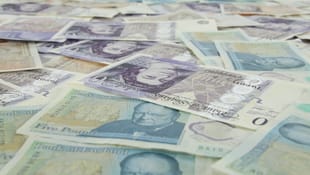
GBP crashed due to new government policy; Check out the stock market's good news amidst all the bad; Difference between monetary and fiscal policy

U.S. real estate is in deep recession, Fed lifts rates by another 0.75%; What are housing bubbles and where are the world's bubbliest housing markets?

The S&P 500 and Dow this week both experienced their worst plunge in one day; the U.K. may be entering recession earlier than expected; several stocks hit their Covid lows this week; Energy price subsidy by U.K. PM

Russia cuts Europe off its supply as retaliation for all the sanctions; Economic effects on energy without Russia; What are negative interest rates? Denmark moving out of negative interest rates after a decade; Australia and ECB rate hike

Fed's Powell crashed global stock markets with just a few words; Rate cuts are not happening anything soon; How to invest when the Fed is being hawkish; Emerging markets have experienced big drops; Tips for investing in emerging markets

US Economy: 2019 vs. 2022; Oil prices are high again; How to invest as a short, medium, or long-term investor

China's Central Bank finally intervenes; S&P500 regains half of its YTD losses; What types of companies have exposure to China?

Has U.S. Inflation Finally Peaked?; Ever wondered why stocks go up sometimes after bad news?; How to invest in the companies in the EU/UK region

How to invest during a Recession; U.S. and China tension is rising, what does this mean for investors?; Tesla, Uber, Airbnb, etc. reported results this week

Fed hikes interest rates again by another 0.75%; Q2 Earnings Season this week includes Tesla, AMD, Uber, and several others in our earnings calendar

Apple, Amazon, Meta, etc. releasing Q2 earnings this week; China's property crisis similar to the 2008 subprime mortgage crisis?

Second Quarter Earnings Season is also underway; tips for investing in this volatile market